
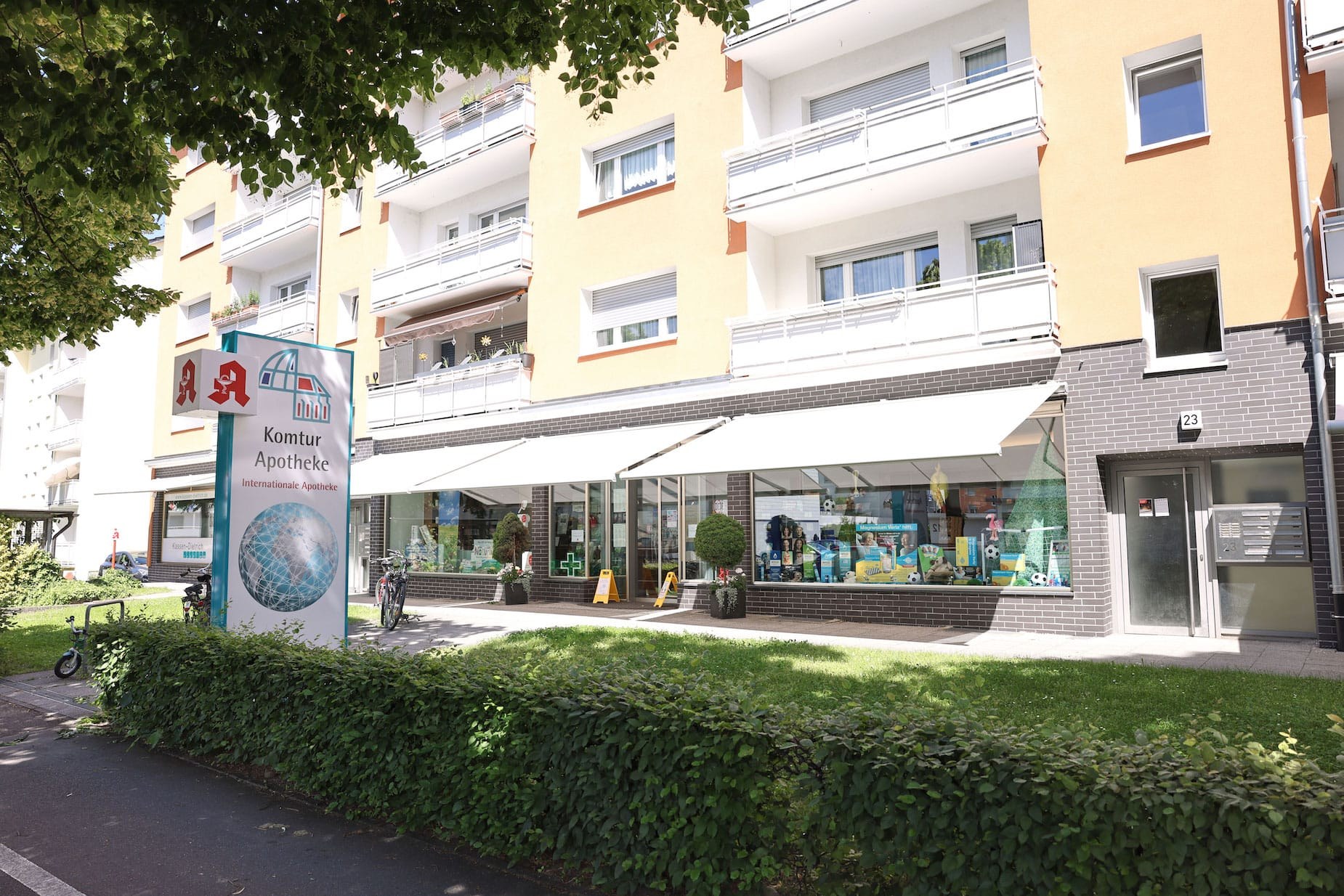
Most people think a pharmacy is just a place to grab some ibuprofen for a headache, but in Freiburg, that’s a massive understatement. Most folks just walk in, hand over a slip of paper, and walk out without realizing they’ve just stepped into a complex web of logistics, clinical advice, and high-stakes manufacturing. If you think it’s just retail, you’re missing the bigger picture of how health actually works in this part of Baden-Württemberg.
Freiburg isn’t just a university town full of students looking for coffee; it’s a major hub for the life sciences. Looking at the city’s makeup, you see this odd overlap between tiny, local community shops and the massive industrial engines driving global drug development. It’s a strange mix of high-tech and high-touch.
If you live here, you’ll need to know the difference between a retail pharmacy (Apotheke) and the pharmaceutical companies that share the same zip codes. One is there to hand you a prescription; the other is busy designing the actual molecules inside those pills. It’s a hierarchy of care that most residents only notice when they start feeling unwell.
The Daily Grind of the Local Apotheke
When you walk into a local shop like the City-Apotheke on Schiffstraße 5, you’re entering a regulated environment with strict hours. They’re open Monday through Friday from 09:00 to 19:00, and on Saturdays from 09:00 to 18:00, which basically dictates the rhythm of local health. These places are the frontline, handling everything from simple bandages to complex medication counseling.
You might expect a purely transactional experience, but the service is actually quite hands-on. Take the Bären-Apotheke on St. Georgener Str. 2, for example. They don’t just sit behind a counter waiting for people to stumble in; they manage care through a dedicated delivery service. If you’re stuck at home or just can’t make it to the shop, you can call them at 0761-40119840 to have supplies sent to you. They even offer specialized services like tests and measurements so you don’t have to visit a clinic every single time you need to check your vitals.
It’s a lot to juggle if you’re managing a chronic condition. You have to track prescriptions, remember refill dates, and make sure the pharmacist knows exactly how you react to certain stimulants or allergens. That’s a huge part of their job during the consultation. It’s a lot of information to process when you’re feeling poorly. Honestly, most people don’t realize that a pharmacist’s brain is basically a living database of chemical interactions that they have to scan every time you bring a new slip of paper to the counter.
If you’re looking for something more specific or a wider range of products, you might end up at the Breisgau-Apotheke at Eisenbahnstraße 64. They cover more than just pills. You can find:
- Standard prescription medications (Arzneimittel)
- General health products and wellness items
- Nursing care supplies (Krankenpflege)
- Medical aids and assistive devices (Hilfsmittel)
They have a hotline at +4976124288 if you want to clarify something before making the trip.
The Invisible Giants of Freiburg’s Pharma Sector
While you’re thinking about vitamins, there are companies in Freiburg operating on a completely different scale. You’ve probably heard the big names, but the local presence of firms like Actelion Pharmaceuticals Deutschland GmbH changes the economic profile of the whole region. These aren’t neighborhood shops; they are massive entities that influence how drugs are brought to market globally.
Then there are the importers. Companies like Pharmafon GmbH Arzneimittelimport handle the movement of medicine across borders. They are the logistical backbone that ensures the shelves in those small local shops actually stay stocked with what doctors are prescribing. Without importers, the local pharmacy is just an empty room with a sign on the door. It’s a silent chain of moving parts that most of us never see unless there’s a medication shortage.
The scale of the pharmaceutical industry is hard to wrap your head around when you’re just looking at a street corner. You might think the pharmacy is the start of the chain, but it’s actually the very last mile of a journey that started in a high-tech lab or a massive distribution center. When you’re searching for specific care or trying to compare providers, it’s helpful to consult resources like apothekeanderdiakonie.de to see how these systems connect to broader healthcare networks.
It’s a strange feeling to realize the pill you take for a headache might have been designed by a scientist just a few kilometers away from where you bought it. The proximity of research, manufacturing, and retail creates a very dense ecosystem. It’s efficient, but it also means the city’s economy is sensitive to shifts in the global pharmaceutical market. If a major player shifts its focus, the ripple effects are felt locally, even if they aren’t obvious to a casual observer.
This density means Freiburg is more than just a pretty city with a cathedral; it’s a specialized hub. You’ll find people here who spend their entire lives studying the chemical makeup of a single type of blood pressure medication. That kind of specialized knowledge permeates the local culture.
Understanding the German System
If you’re new to Germany, the way pharmacies work can be a bit of a shock. You might be used to walking into a supermarket and grabbing aspirin off a shelf without talking to anyone. That’s not how it works here. In Germany, the “Apotheke” is a highly regulated, professionalized space. You won’t find prescription-strength medicine in a grocery store. You have to go to the specialist.
If you’re wondering what they’re called, they are Apotheken. And if you’re worried about a midnight emergency, Germany has a system for 24-hour pharmacies. While most shops close at a reasonable hour, there is always a rotating service. If you have a crisis at 3:00 AM, you aren’t totally stranded. You usually find out which one is open by checking a sign on the door of any closed pharmacy or by looking at a local list online.
The number of options in a city like Freiburg can be overwhelming. A quick glance at industry data shows the sheer scope of the sector. For instance, in certain large-scale databases, the number of pharmacies listed can reach into the thousands across a country, and in a city like Freiburg, the concentration is high enough to serve every neighborhood. Even looking at general listings, you can see how many thousands of entries exist just to categorize the various ways people access medication.
Here is a quick comparison to help you navigate:
| Pharmacy Type | Best For… | Key Feature |
| Local Neighborhood Shop | Daily needs, quick questions | Personal relationship with staff |
| Delivery-Focused Shop | Elderly, busy professionals | Home delivery services |
| Specialized Health Shop | Medical aids, nursing care | High-end medical equipment |
| Industrial/Import Firm | Supply chain, manufacturing | Global reach, massive scale |
Don’t assume all pharmacies are the same. Some are better for a quick chat about a skin rash, while others are better equipped to handle complex medical devices or specialized nursing supplies. You have to match your needs to the specific type of provider you’re walking into.
Finding Your Way Through the Network
Navigating this system requires a bit of local knowledge. If you’re a tourist, you’ll likely stick to the ones in the city center, like the City-Apotheke, because they are easy to find and have predictable hours. But if you are a long-term resident, you’ll likely end up using delivery services or the more specialized shops that carry heavy-duty medical gear. It’s a way of life that becomes second nature after a few months.
The digital side of things is growing, too. While the physical shop is still king, the way we find information is changing. You can find maps, reviews, and directions for almost everything from the small local shop to the massive Actelion offices. It makes the city feel much smaller and more accessible. You can find where everything is with a few clicks, which is a far cry from the days of relying on a paper directory or just walking around hoping to see a red “A” sign.
I’ve noticed that people tend to treat their local pharmacist like an unofficial doctor. They’ll walk in with a vague symptom and expect a diagnosis. While the pharmacists in Freiburg are incredibly well-trained, they aren’t going to replace your GP. They are there to help you understand *how* to take the medicine, not necessarily to tell you *why* you’re sick, though they often give very good advice on the former. They’ll tell you if you should take it with food or if it’ll make you sleepy, which is actually the most important part of the interaction.
The pharmacy scene in Freiburg is a microcosm of the German approach to health: highly structured, efficient, and deeply layered. You have the high-level science of the big firms, the logistical muscle of the importers, and the personal, community-focused service of the local neighborhood shops. It’s a system that works, even if it feels a bit complicated when you’re just trying to find some cough syrup at 8:00 PM on a Saturday. It’s a lot to manage, but it’s built to last.
Just make sure you check the hours before you walk out the door.
